Big-headed Amazon River turtle
Peltocephalus dumerilianus
 AI-generated
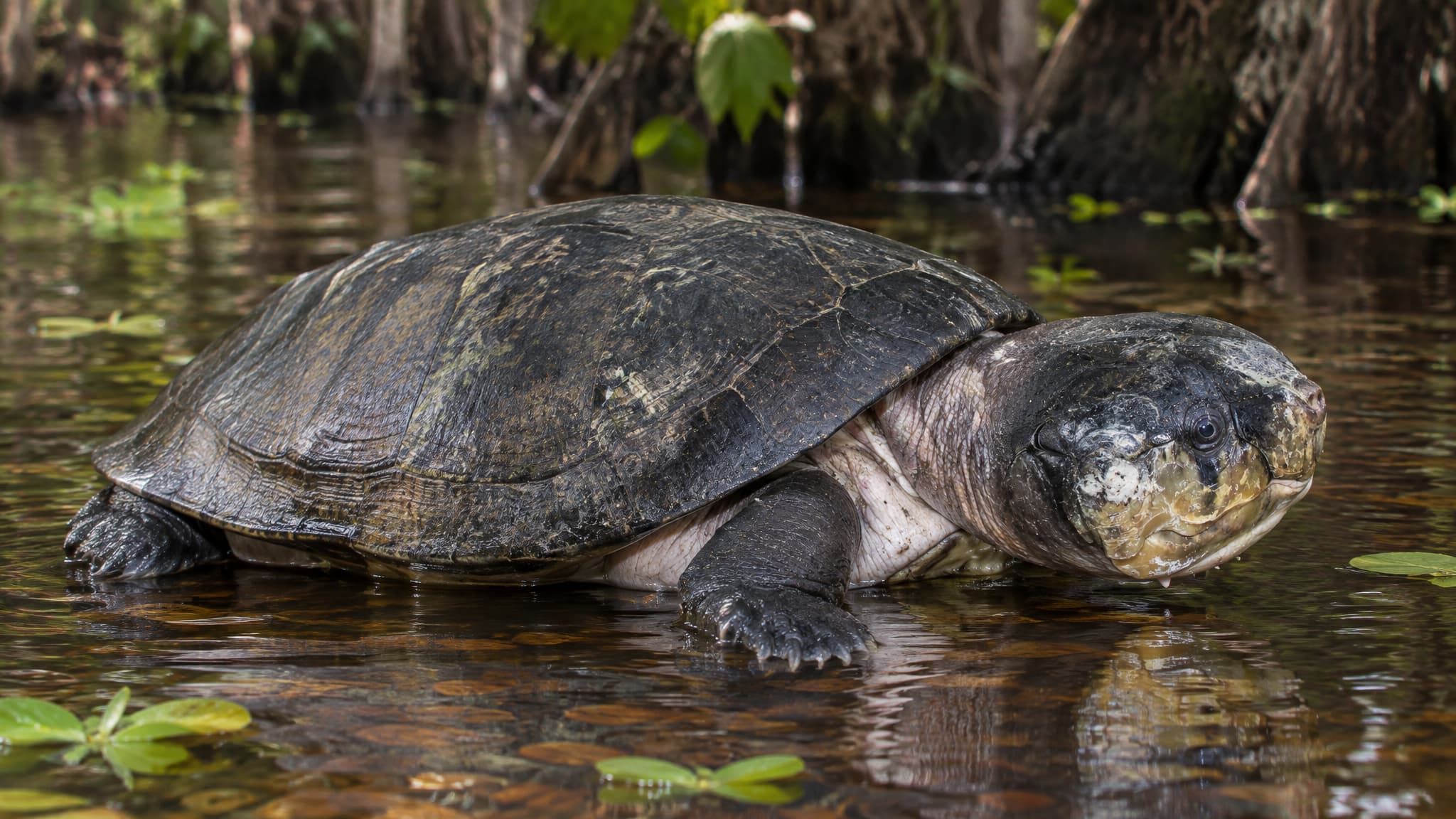
A large-headed freshwater turtle rests in shallow, plant-filled forest water, facing right. Its broad domed dark shell, massive head, blunt beak, and extended forelimbs are clearly visible.
The big-headed Amazon River turtle (Peltocephalus dumerilianus), known in Brazil as the cabeçudo, is a side-necked turtle and the only living member of its genus. As its name says, it has a very large, broad head with a strongly hooked upper jaw, which gives it a powerful bite. The largest recorded shells reach 50.0 cm in straight carapace length in males and 47.0 cm in females, and the heaviest specimen on record weighed 15 kg. Males are larger than females, with wider heads and longer tails. Hatchlings have a mottled brown shell with black seams, cream-yellow edges to the marginal scutes and a single chin barbel.
The species lives in the Amazon and upper Orinoco basins of Brazil (Amapá, Amazonas, Pará and Roraima), Colombia, Ecuador, French Guiana, Peru (Loreto) and Venezuela. It favours rivers and freshwater swamps, especially igapó flooded forest and other blackwater systems, and also small blackwater streams that run under the closed canopy of terra firme rainforest.
It is an omnivore that relies mostly on plants: fruits and seeds can make up as much as 85% of its diet, yet it eats more animal food than any other member of its family. It prefers apple snails when they are available and also takes other molluscs, fish and insects, and scavenges carrion. Adults sometimes rest motionless underwater with the mouth open, waiting for prey. It swims less well than its relatives and generally does not travel far. It is not territorial, but its strong jaws can cause serious injuries to people who handle it.
Unlike Podocnemis turtles, which nest together on open sand beaches, the cabeçudo nests alone and hides its nests near forest streams. In the Rio Trombetas Biological Reserve in Pará, nests were found in August and September no more than 2.5 m from the water, dug into clay, sand, termite mounds or ant nests. Clutches held 3 to 25 eggs, and newly laid eggs weighed 39 to 50 g. In one season the eggs hatched after a mean of 90 days of incubation, and hatchlings weighed 26.6 to 39.5 g. In Colombia nesting takes place about three months later, in December. Cool nests produced nearly equal numbers of males and females, which led researchers to suggest that sex may be set genetically rather than by temperature. Its lifespan has not been recorded.
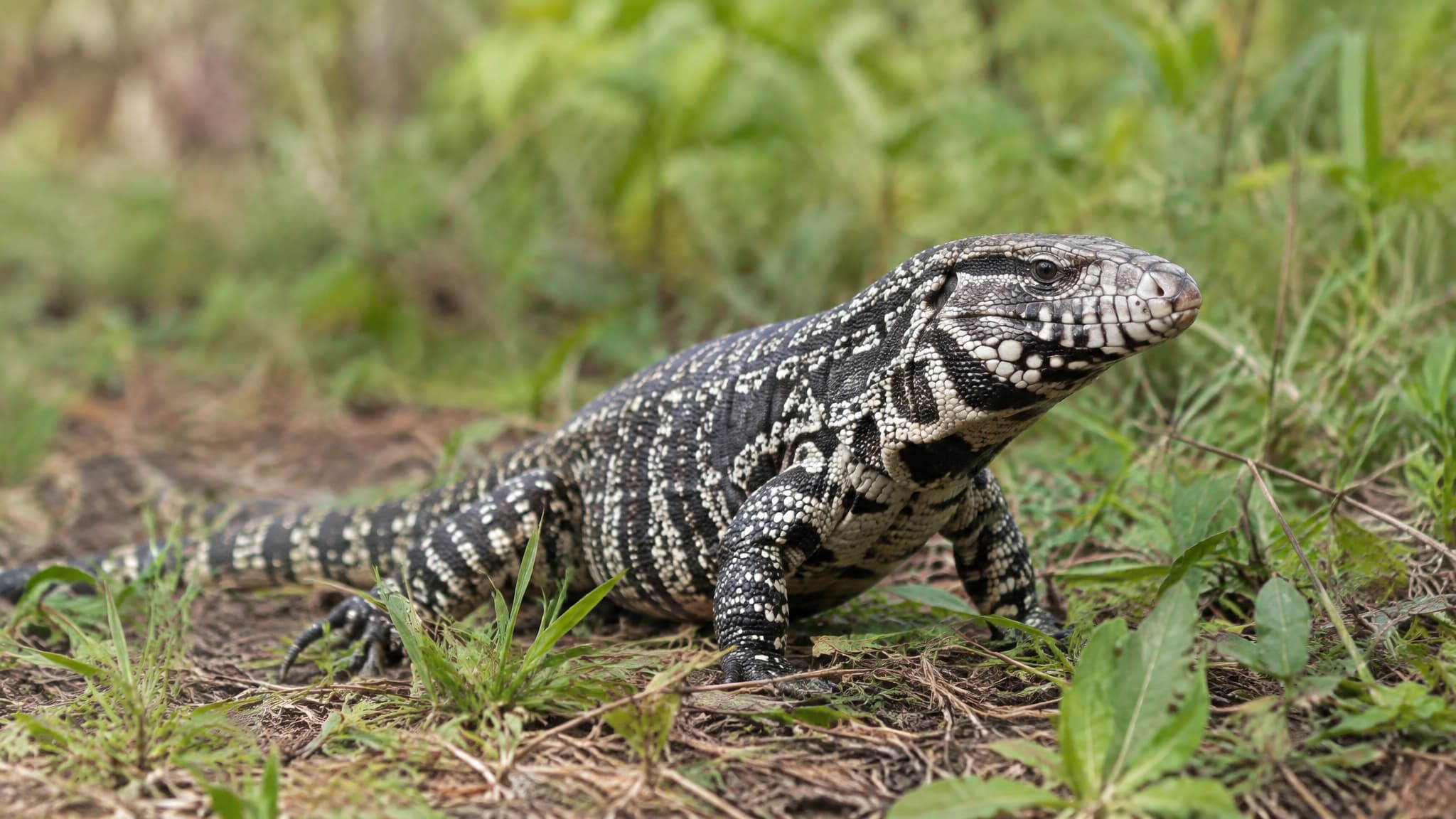
The cabeçudo is listed as Vulnerable on the IUCN Red List and on CITES Appendix II. People hunt it for food, and humans and tegu lizards raid its nests. Its habitat suffers from mining pollution, pesticides, deforestation and hydroelectric dams, and illegal gold mining is reported to displace more than 1,000 turtles a year, many of them sold.