Longfin Mako Shark
Isurus paucus
Mako shark swimming in the open Atlantic Ocean

The longfin mako shark (Isurus paucus) is a large, elusive pelagic shark in the mackerel-shark family Lamnidae. Closely related to the shortfin mako, it is immediately recognizable by its exceptionally long, broad pectoral fins—often extending well past the gill region when laid back. Adults show deep blue-gray countershading above and a pale underside, with a streamlined body, pointed snout, and crescent-shaped tail adapted for fast open-ocean swimming.
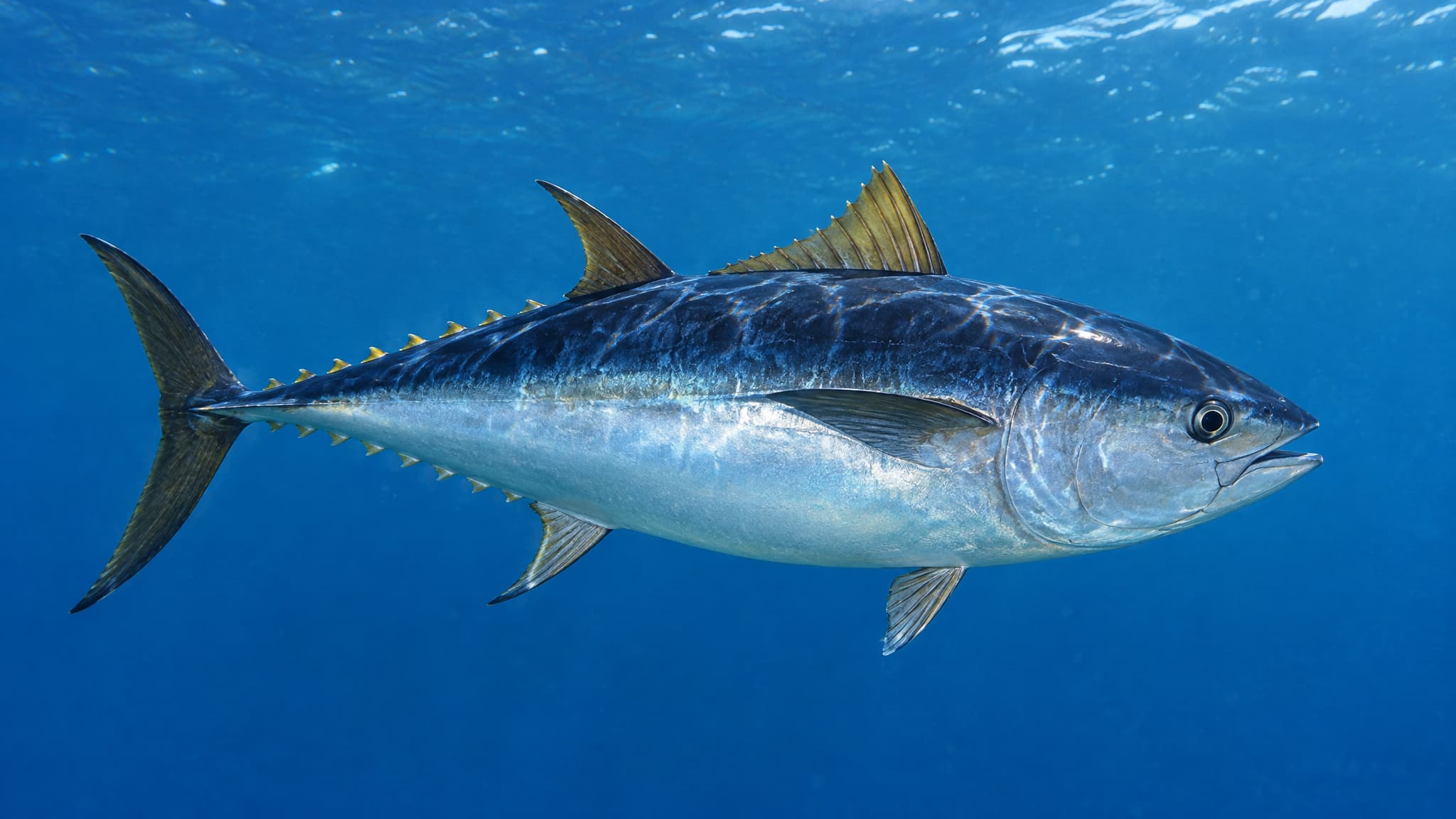
This circumglobal species inhabits tropical and warm-temperate offshore waters in the Atlantic, Indian, and Pacific Oceans, from the surface to roughly 460 meters depth. It is far less frequently observed than the shortfin mako and is often misidentified with its cousin, which explains the sparse scientific record reflected in its epithet paucus (“few”). Longfin makos feed mainly on pelagic schooling teleost fishes such as tunas and mackerels, along with oceanic squids, and reproduce through aplacental viviparity with oophagy, typically bearing small litters of about two pups after an extended gestation.
The IUCN lists the longfin mako as Endangered, citing suspected global population declines driven by incidental capture in pelagic longline fisheries, retention for fins despite lower meat quality, and the species’ naturally low fecundity and late maturity. Both mako species are listed on CITES Appendix II, but continued bycatch mortality remains the primary conservation concern.